
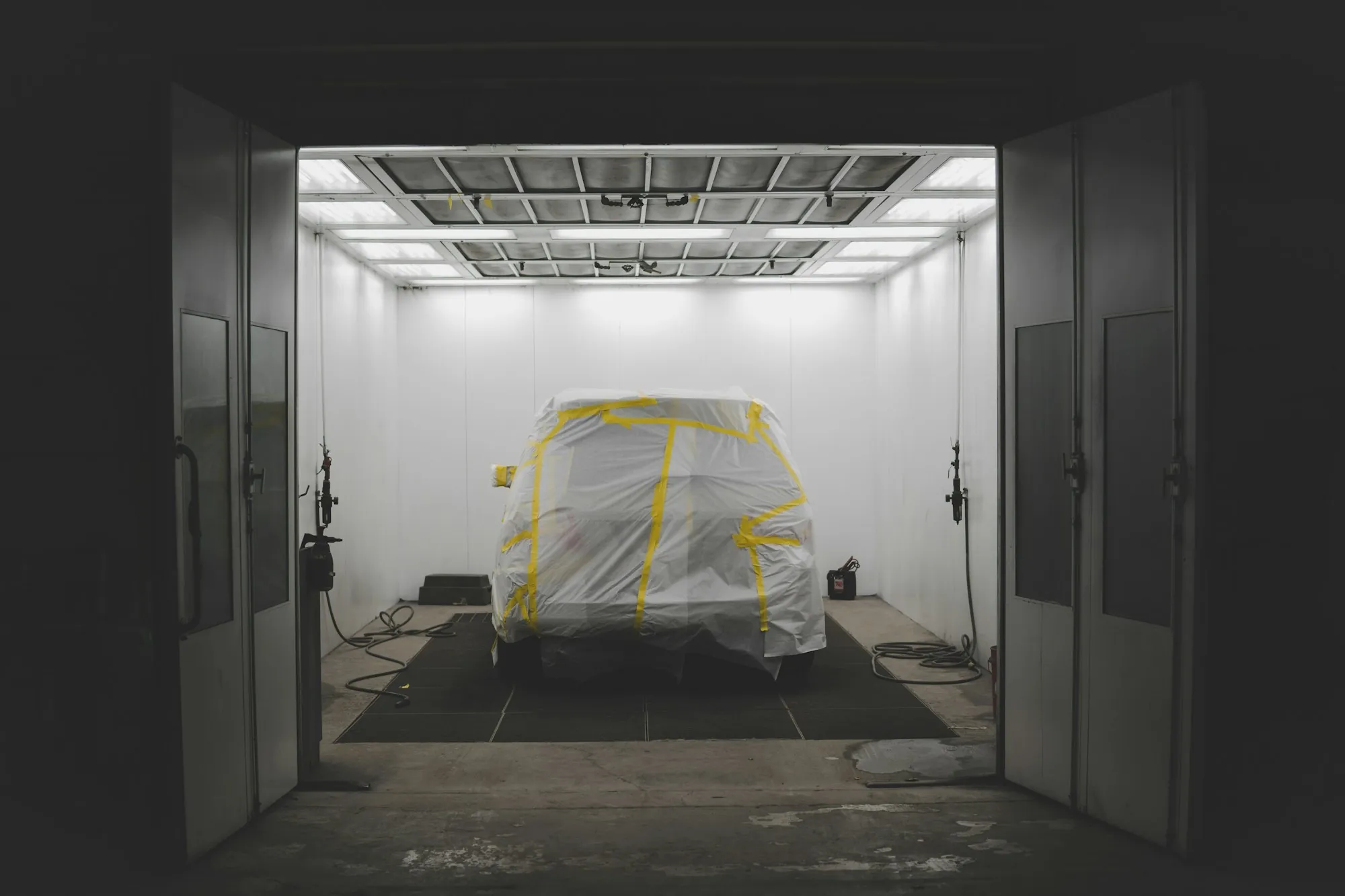
Aluminum panels
Aluminum Repair in Garland for Trucks, SUVs and Cars
Aluminum beds, hoods and doors dent in a parking lot just as easily as steel, but they do not fix the same way. We keep the process separate and spelled out.
Aluminum panel dented? Phone (000) 000-0000Why Aluminum Gets Its Own Process
Plenty of pickups, SUVs and luxury cars on Garland streets now wear aluminum hoods, fenders, doors and beds. Aluminum saves weight, but it lacks the give that steel has, so it stretches, work-hardens and cracks if it is pushed too hard. It also reacts with steel dust, which can cause corrosion under fresh paint months later. That means separate tools, a separated work area and repair methods the manufacturer approves. Some panels can be straightened with heat and patience, while others must be replaced and joined with adhesive and rivets instead of welds. We tell you which route your vehicle needs and show you why on the estimate.
Aluminum Work on the Ticket
Here is what an aluminum repair includes from the first look to the final coat.
Which panels are aluminum
We confirm which panels are aluminum using the manufacturer's data and a magnet, since many vehicles mix aluminum and steel.
Walled-off work zone
Aluminum repairs happen away from steel grinding so stray particles cannot embed in the panel and start corrosion.
A separate aluminum tool cart
Hammers, dollies, sanding discs and pulling studs are set aside for aluminum use only. That keeps contamination out of the metal.
Measured heat, slow pressure
Dents are worked with measured heat and slow pressure, since aluminum cracks if it is forced cold the way steel sometimes can be.
Adhesive and rivet joining
When the procedure calls for it, new panels are attached with structural adhesive and rivets instead of spot welds.
Aluminum welding when specified
Some repairs do require welding. Those are done with equipment and wire meant for aluminum, following the factory instructions.
Corrosion barrier
Bare metal gets the correct pretreatment and primer, and seams are sealed so moisture and dissimilar metals stay apart.
Paint and panel fit
The panel is refinished to match, then checked for gaps and alignment against the panels around it.
How an Aluminum Job Runs
- 01
Confirm the metal and the method
We start by looking up the vehicle's body construction and checking each damaged panel. The manufacturer's repair manual tells us whether a panel may be repaired or must be replaced. That answer shapes the estimate. You see it written out, along with the reasons for any extra labor.
- 02
Repair in the separate area
The vehicle moves to the aluminum area with its own tools and dust control. Dents are worked out with heat and pressure, or the panel is cut out and a new one glued and riveted in. Every joint gets sealed and protected before primer goes on. If a hidden crack turns up, we stop and call you.
- 03
Prime, paint, fit
Primer suited to aluminum goes down first, then color and clear. Once the paint cures, panels are fitted, gaps are checked and the hardware goes back on. We walk you around the finished work before handing back the keys.
Why Aluminum Jobs Land in Our Bay
No steel tools on aluminum
A steel-contaminated disc on an aluminum panel can mean bubbling paint down the line. Keeping the tools apart is the simple fix, and we do it every time.
Estimates that explain the labor
Aluminum takes longer and costs the insurer more to repair. We document why so the claim gets approved without a fight.
We see a lot of truck beds
Garland has plenty of work trucks with aluminum beds that take knocks at job sites and in lots along Centerville Road. We see that damage often and plan for it.
Aluminum Body With a Fresh Hit?
Tell us the year, make and model and which panel got hit, and we can tell you a lot before you even pull in. Pick up the phone and talk it through.
(000) 000-0000 — ask about aluminum work