
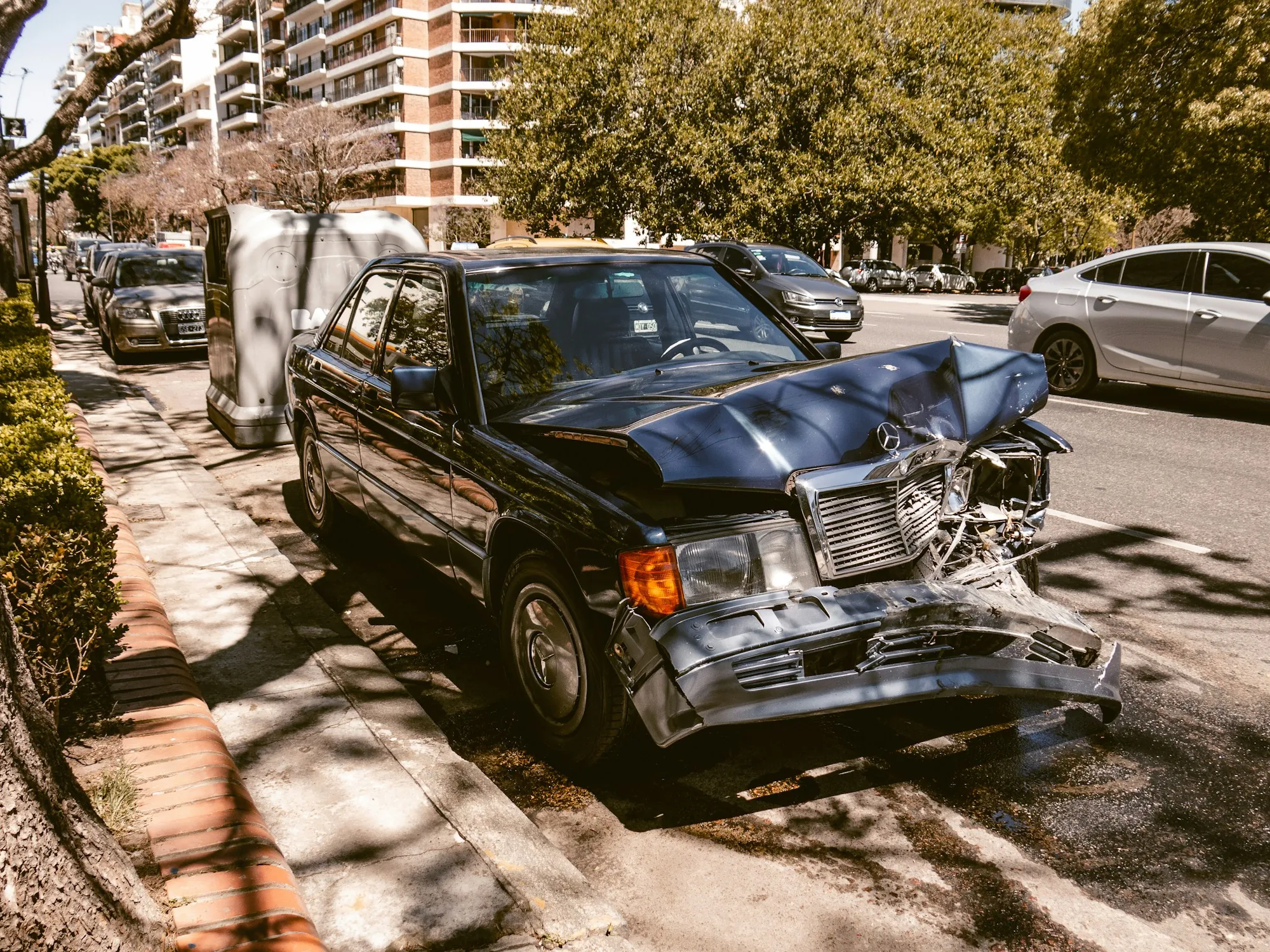
Front & rear bumpers
Bumper Repair & Replacement in Garland
Rear bumpers take most of the stop-and-go punishment on I-635. Front ones catch curbs, poles and the car ahead. Either way, what broke is often hidden behind the plastic.
Get the bumper sorted — (000) 000-0000Bumper Damage Usually Runs Deeper
What people call the bumper is really an assembly: painted plastic on the outside, a crushable absorber under it, a metal impact bar behind that, and brackets tying it together. Plenty of them also house parking sensors, a radar unit or a camera. When someone taps you from behind while waiting at a signal on Belt Line Road, the cover may bounce back looking fine while a bracket snaps or the absorber crushes. We take the cover off, inspect everything behind it and decide what needs repair and what needs replacement. Cracks and tears in the cover can often be plastic-welded, while severe damage calls for a new cover. Sensors are tested before the car goes home.
Bumper Jobs, Cover to Sensors
A bumper repair can involve any of the parts and tasks below. The estimate lists only the ones your vehicle needs.
Tear and split mending
A split in the cover is fused from the back side using rod of the same plastic type and reinforced before the cover is refinished.
Curb scrapes refinished
Surface scrapes from curbs and parking blocks are sanded smooth and refinished in flexible paint.
Heat reshaping for push-ins
Plastic that folded inward can often be heated gently and coaxed back out, depending on the material.
New covers when repair won't hold
When a cover is torn badly or its mounting tabs are gone, a new one is fitted and painted to match.
Absorber and bar inspection
Behind the plastic, the absorber and impact bar get checked for crush marks and bends, and are renewed if they took the load.
Brackets and retainers
Snapped mounting brackets and missing retainers are replaced so the bumper sits tight with even gaps.
Parking sensors and radar units
Sensors are removed before the work, reinstalled afterward and tested, and radar units are aimed to spec after fitting.
Fog lamps, lower grilles and trim
Lower grilles, fog lamps and trim pieces damaged along with the bumper are repaired or replaced in the same job.
How a Bumper Comes Off and Goes Back On
- 01
Cover off, eyes on the parts behind
First the plastic comes off, giving us a clear view of the absorber, the bar and every bracket. Anything broken back there gets photographed. The estimate reflects all of it, not just the scuff you noticed. You hear our call on saving the cover versus replacing it, with the reasoning.
- 02
Fix behind, then in front
Damaged absorbers, bars and brackets are replaced first, since the cover depends on them for fit. The cover is welded, reshaped or replaced. Then it's prepped and painted with a flexible system made for plastic. Color is blended to the body panels around it.
- 03
Mount and test
Once hung, the bumper is adjusted until the seams to the fenders and headlamps run even. Cameras and sensors are plugged in and tested. Radar is aimed if the vehicle has it. We walk the car with you before it leaves.
Why Bumper Work Gets the Full Treatment
Absorbers are one-time parts
Many energy absorbers crush once and don't recover. If one took the hit, it needs replacing to protect you in the next crash.
Sensors have to read true
A parking sensor or radar that's slightly off can throw false alerts or miss an obstacle. We test them instead of assuming.
Fit matters on a daily driver
A bumper that sags or rattles gets old on every commute. Proper brackets and adjustment keep it tight.
Rear-Ended at a Light? Start With the Bumper
Let us know which bumper got hit and what it hit, and we'll explain the likely repair. Stop-and-go traffic out of Mesquite and Rowlett sends us plenty of the same damage.
Describe the bumper damage — (000) 000-0000