
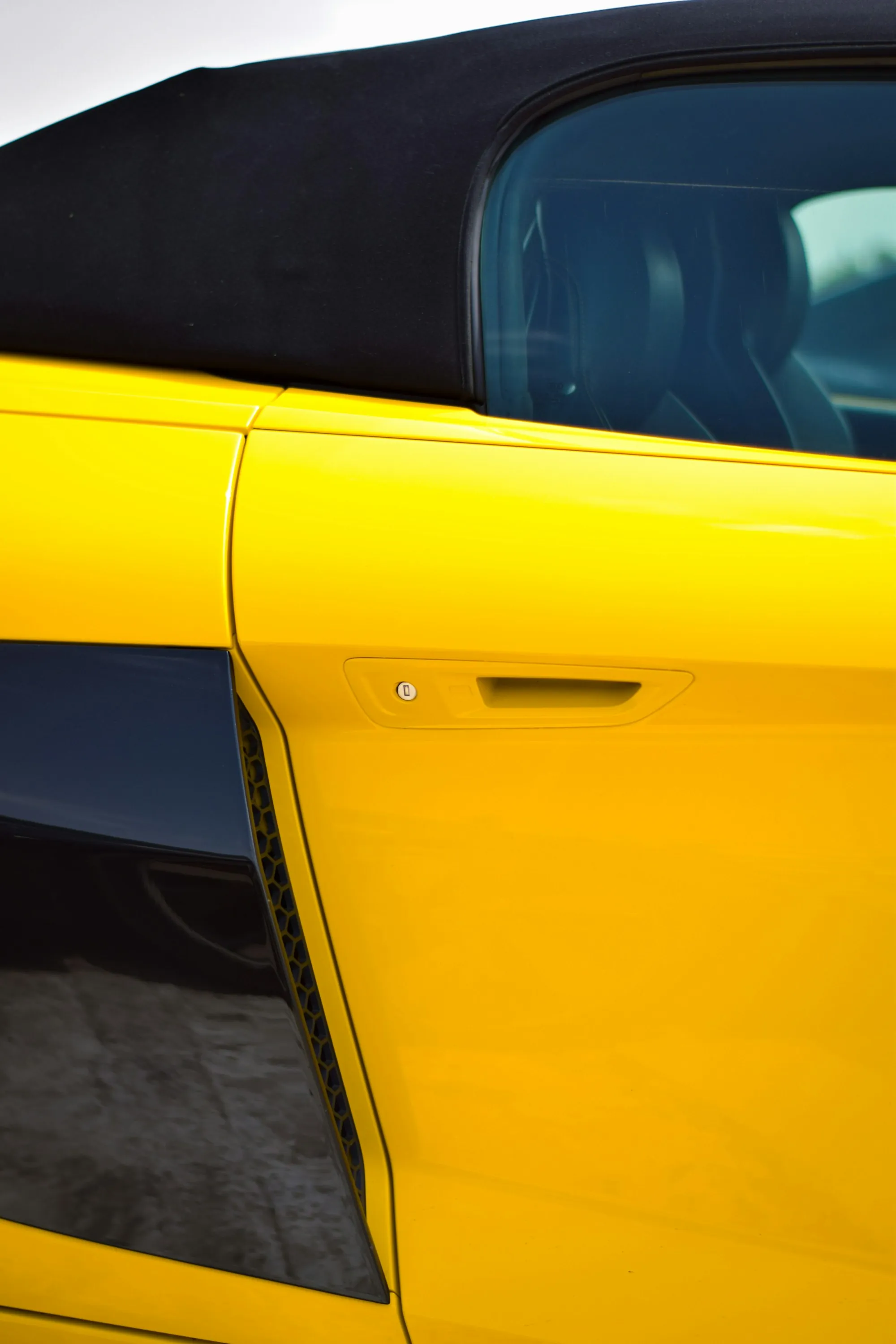
No-paint dent removal
Paintless Dent Repair in Garland for Dings and Hail
If the paint hasn't cracked, there's a good chance the ding can be massaged out with no refinishing at all. We look first and answer honestly.
Find out if the dent qualifies — (000) 000-0000Metal Has Memory, and We Put It to Work
Steel and aluminum panels want to return to the shape they were stamped in, and paintless dent repair takes advantage of that. A technician slips slim rods in behind the metal, or bonds tabs to the face where rods can't go, and eases the dent out in many small, controlled moves. A striped reflection board exposes each rise and dip while the work goes on. No sanding and no spray gun means the paint you bought the car with is the paint it keeps. It's a strong fit for the door dings that pile up in crowded lots near Northwest Highway and for hail that rolls across Dallas County each spring. It isn't the answer for every dent, and we say so up front.
Where Paintless Work Gets Used
These are the dents this method handles well, along with the checks that come with every job.
Door-edge dings
Round dings from a neighbor's door are classic paintless work, especially mid-panel where the back side is easy to reach.
Hail on roofs and hoods
North Texas hail can leave dozens of dimples across the top surfaces, and each one is mapped and worked individually.
Long, shallow creases
Gentle creases without a sharp fold can be rolled out over several passes until the panel reads flat.
Paint screening before any push
We check for cracked or previously repainted areas first, since that paint can flake when the metal moves.
Factory holes, not new ones
We go in through existing openings, behind trim and under liners whenever possible rather than drilling the panel.
Tab pulls on double-walled areas
Where a brace or a double wall blocks the rods, a tab is glued to the face and a lifter draws the low spot up.
Crown tap-down
Once a dent rises, any raised ring around it is tapped down so the surface sits level.
Multi-angle board inspection
The finished area is checked under a lined board from several angles before we call it done.
From First Look to Final Pass
- 01
Qualify the dent
A light gets aimed across the dent, the paint gets a close look and we plan a route to the inside of the panel. Sharp creases, cracked paint and dents on heavily braced areas may not qualify. If it won't come out cleanly, you'll hear that before anything starts. If it will, we explain what to expect from the result.
- 02
Work it out
Whatever blocks the back side, whether a lamp, a liner or a trim panel, comes off first. The technician raises the metal in small increments while watching the board. Glue tabs handle spots the rods can't reach. Raised edges get leveled along the way.
- 03
Put it back and show you
Trim and liners we removed are refitted and snugged down. One more look under the board, then one in open daylight. After that, you get to inspect the spot with your own eyes. The finish you arrived with is the finish you leave with.
Why We Try Paintless Before Anything Else
Factory paint holds up best
The original finish was applied and baked at the plant under conditions no body shop booth fully copies. Hanging on to it helps the car look right and keeps its value up.
Fewer parts off the car
Paintless work typically means less disassembly and nothing sent to the paint booth. Fewer steps leave fewer chances for something to go wrong.
A real yes or no
Not every dent is a candidate, and forcing one can crack paint. We'd rather tell you no than hand back a half repair.
Picked Up a Ding? See If It Can Disappear
Point us to where the dent sits and roughly how big it looks, and we'll say whether paintless repair is worth a look. Richardson and Rowlett commuters bring their dings here too.
Describe the ding to the shop — (000) 000-0000