
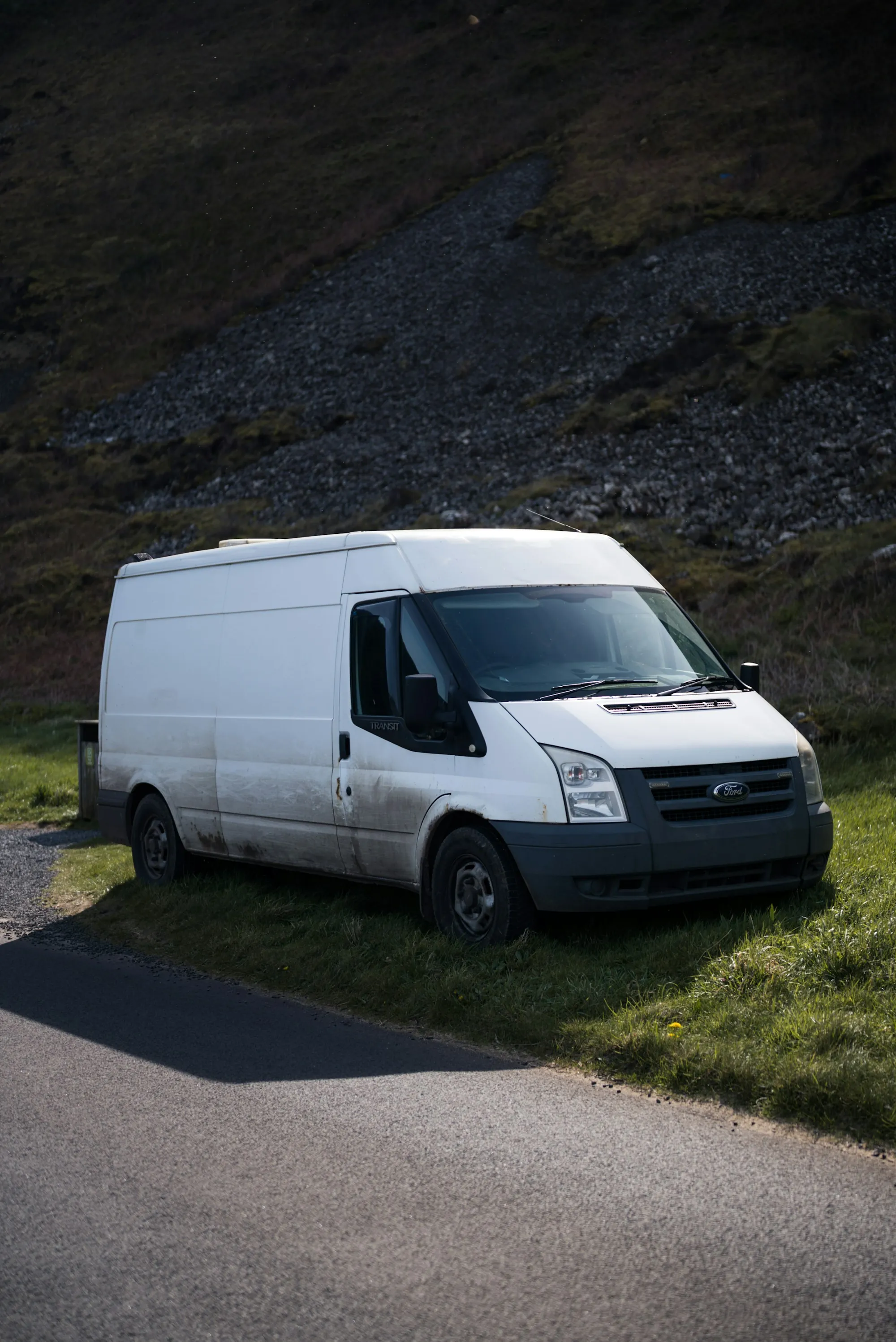
Commercial vehicles
Fleet & Commercial Vehicle Repair in Garland
Service vans, box trucks and company pickups take hits on job sites and in traffic out toward Mesquite and Richardson. We fix them with the paperwork a fleet manager needs.
Fleet manager? Start with (000) 000-0000How We Work With Fleets
A work vehicle off the road is a crew that cannot do its job, so fleet repairs need more than good body work. They need a clear estimate, one person to talk to and updates that make sense to whoever approves the spending. We repair cargo vans, pickups, box trucks and company cars for businesses across Garland and neighboring cities. Logos, ladder racks, upfits and shelving are noted before work begins so they go back where they belong. Whether a claim runs through insurance or the company pays directly, the paperwork is set up the way you need it. We keep it organized so you can keep running the business.
What Fleet Accounts Get From Us
Commercial jobs come with extra equipment and extra paperwork. Here is how we handle both.
One name at the shop
One person at the shop handles your vehicles, so you are not re-explaining the fleet every time something gets damaged.
Unit numbers on everything
Estimates and invoices carry your unit or asset numbers, which makes them easy to match against your records.
Photo updates for approvers
Damage and progress photos go to whoever signs off, so decisions do not wait on a trip to the shop.
Racks, shelving and liftgates protected
Upfit equipment such as toolboxes and ladder racks is documented, then removed or covered before repair begins.
Graphics and lettering coordination
We note decals and wraps and coordinate with your sign vendor so the vehicle comes back looking like part of the fleet.
Camera and radar calibration
Newer vans and pickups carry driver-assist sensors, and those get calibrated after the body repair.
Insurance or direct billing
We work the claim with your carrier or bill the company directly, depending on how your fleet handles damage.
Repair history on file
Each completed job is documented, so you have a clean history when a vehicle is sold or traded.
Fleet Jobs Step by Step
- 01
Intake and approval path
We note the unit number, driver, damage and who approves the work. Photos and a written estimate go to that person. If an insurer is involved, we open the conversation with the adjuster. Nothing moves forward until the right person says yes.
- 02
Body work around the upfit
Upfits and accessories are removed or protected, and the body work follows the same procedures as any collision job. Parts are ordered in one batch where possible. If a delay pops up, the fleet contact hears about it first. Progress photos go out as the job moves along.
- 03
Return and record
Equipment goes back on, systems get scanned and the vehicle is inspected inside and out. We send final photos and an invoice tagged with the unit number. The record lands in your files, ready for the next time someone asks about that vehicle.
Why Garland Businesses Use Us for Work Vehicles
Organized like a business
We treat your vehicles as company assets with numbers, approvals and records, not just another car in a bay. That makes your end of the paperwork easier.
Straight answers on cost
When a repair costs more than a vehicle is worth to your operation, we say so. Then we help you think through the options.
Commuter-route damage we know
Vans that live on I-635 and the George Bush Turnpike pick up the same fender benders and lot scrapes over and over. We know that damage and fix it the same organized way each time.
Running Vehicles for a Living?
Tell us how many vehicles you run and how damage gets approved, and we will set up the paperwork to match. A short phone call gets the account sorted.
(000) 000-0000 — set up your fleet