
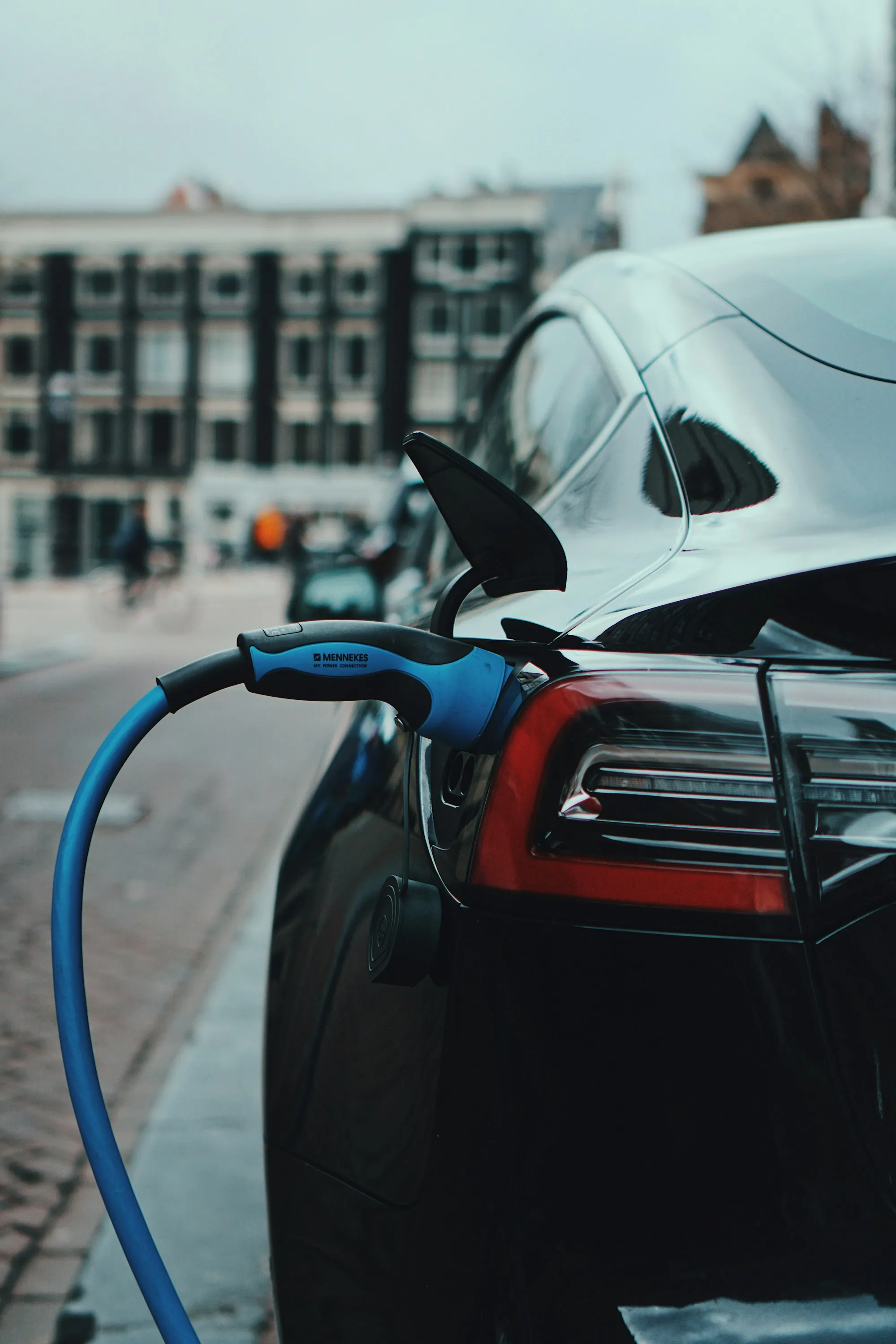
High-voltage vehicles
EV & Hybrid Collision Repair in Garland, Done by the Book
Electric and hybrid cars crash like any other car in Belt Line Road traffic. What changes is the safety work before a single panel comes off.
Electric or hybrid in a wreck? (000) 000-0000What Changes When the Car Has a Battery Pack
Every electric or hybrid vehicle runs on a high-voltage battery and orange cables running through the body. After a crash, those systems have to be checked and shut down safely before anyone grinds, pulls or welds near them. Many of these vehicles also use aluminum structure, extra sensors and a lot more weight, which changes how they are lifted, towed and repaired. We follow the manufacturer's procedures for depowering the car, inspecting the pack and putting it back into service. The body and paint work itself is familiar collision repair. The difference is the order of operations and the care taken around the battery.
EV and Hybrid Repair Checklist
Beyond the usual body and paint, these are the items we handle on electric and hybrid jobs.
High-voltage depower
The system is shut down using the manufacturer's steps, and we confirm it is de-energized before body work begins.
Look-over of the pack and mounts
We look over the pack, its enclosure and mounts for impact damage, and note anything that needs a specialist's evaluation.
Orange cable check
Any orange cabling or connector close to the impact gets inspected for cuts, crushing or chafing.
Lifting only where the maker allows
EVs are heavy and carry the battery under the floor, so they go up only at approved points with pads that protect the pack.
Coolant line review
Battery and motor coolant lines can crack in a front hit, so we pressure-check them as part of the repair.
Low-heat paint curing
Paint is cured at temperatures the manufacturer allows, since too much booth heat can stress the battery.
Sensor calibration
Cameras and radar on these cars get scanned and calibrated after bumper, glass or alignment work.
Return-to-service checks
The high-voltage system is re-enabled by procedure, scanned for faults and tested before the car leaves.
From Crash to Charging Again
- 01
Shut down and verify
Before any teardown, the vehicle is identified, scanned and depowered using the factory sequence. We verify no voltage is present where we will be working. The battery and its mounts get a visual check for impact. If anything looks compromised, we flag it and explain what it means for the repair.
- 02
Repair around the system
Damaged panels and structure are repaired or replaced with the battery protected. Cables and connectors near the work zone are covered or disconnected. Aluminum parts, where present, get the separate tools they require. Any hidden damage found during teardown becomes a supplement and a phone call to you.
- 03
Re-energize, scan, road test
After paint and reassembly, the high-voltage system is brought back online per procedure. We scan every module, calibrate the sensors and road test the car. You get it back with a record of the safety checks and the scans.
What EV and Hybrid Owners Get Here
Safety order is not optional
Depowering and verifying the battery comes before the first bolt. That protects our technicians and your car.
Honest about the limits
If a pack needs a dealer or battery specialist, we say so and coordinate it rather than guessing. You will not be left wondering who handles what.
Daily drivers get daily-driver thinking
Lots of Garland EVs and hybrids rack up commuting miles on the Bush Turnpike and I-30. We repair them with that stop-and-go use in mind.
Electric or Hybrid Car Banged Up?
Do not let a well-meaning friend start pulling panels on a high-voltage car. Phone us first and we will explain how to get it here safely.
EV questions? The shop line is (000) 000-0000